Every autumn, South Korea observes Chuseok (추석), often described in international media as “Korean Thanksgiving” or Hangawi (한가위). For foreign residents, exchange students, and international tourists experiencing their first harvest holiday season in Seoul, the transformation of the country is startling. Over a single 72-hour window, the bustling metropolis of nearly ten million people empties dramatically as millions of residents travel to their provincial family hometowns (Gohyang – 고향) for ancestral veneration rituals (Charye – 차례). Neighborhood grocery marts shutter their iron roll-down doors, family-owned diners turn off their grills, commercial banking branches close completely, and city buses operate on reduced holiday schedules. Without adequate forward planning, newcomers frequently find themselves wandering desolate streets searching for warm food, dealing with empty ATMs, or struggling to access medical clinics during sudden autumn illnesses.
1. The Chuseok City Rhythm: What Stays Open and What Closes
Understanding the operational schedule of Korean commerce during Chuseok requires recognizing the holiday’s three core dates: the day preceding the harvest moon, Chuseok Day itself (15th day of the 8th lunar month), and the day following. While modern corporate hospitality and entertainment venues increasingly remain operational to cater to domestic staycationers, essential everyday services operate under highly restricted hours.
| Commercial Sector | Eve of Chuseok | Chuseok Day (Harvest Moon) | Day After Chuseok |
|---|---|---|---|
| Major Hypermarkets (E-Mart, Lotte Mart, Homeplus) | Open until 22:00 (Heavy crowds) | 90% Closed Nationwide | Normal Operating Hours |
| Department Stores (Shinsegae, Hyundai, Lotte) | Closed or Early 18:00 Closing | 100% Shuttered | Closed or Reopening 10:30 |
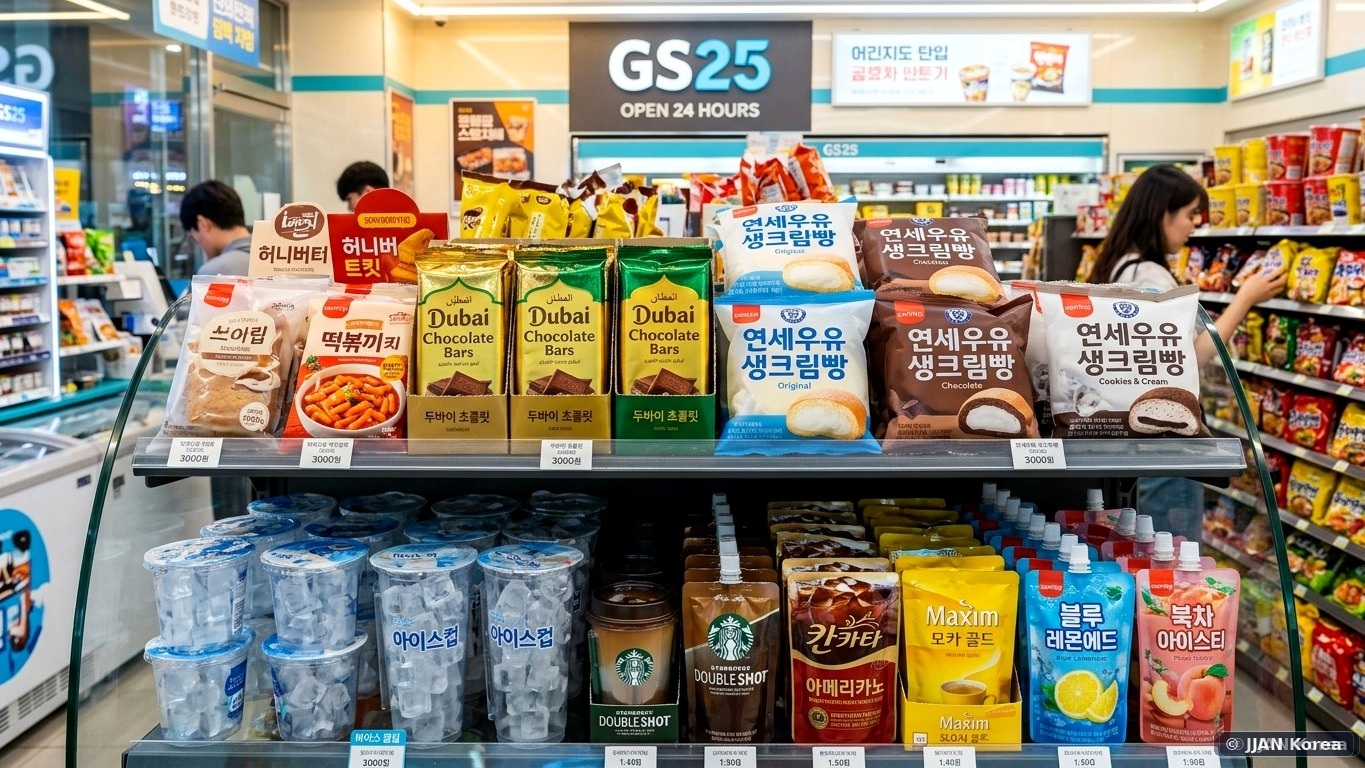
| 24-Hour Convenience Stores (GS25, CU, 7-Eleven) | 100% Fully Operational | 100% Fully Operational | 100% Fully Operational |
| Mom-and-Pop Neighborhood Restaurants | Variable Closures from 15:00 | Virtually All Closed (Family Dinners) | Sporadic Reopening |
| Major Franchise Fast Food & Coffee Chains | Standard Operating Hours | Select Stores Open (11:00~20:00) | Normal Operating Hours |
| Royal Palaces (Gyeongbokgung, Changdeokgung) | Open (Normal Fees) | Free Admission for All Visitors | Open (Free Holiday Entry) |
| Commercial Banks & Immigration Offices | Closed Statutory Holiday | Closed Statutory Holiday | Closed Statutory Holiday |
While major department stores and neighborhood dining establishments close down, franchise convenience stores become the primary lifeline for foreign residents. Knowing that grocery supply chains pause deliveries for two days, stocking up on food at 24/7 convenience stores when neighborhood markets close or purchasing fresh produce from local supermarkets 48 hours prior to the holiday is the single most effective step you can take to prevent holiday hunger.
2. Food, Dining, and Grocery Tactics During the Holiday Shutdown
The biggest psychological shock for expats living in non-tourist residential quarters—such as Sillim, Hoegi, Anam, or Sinchon—is discovering that food delivery applications like Baedal Minjok (Baemin), Yogiyo, and Coupang Eats show 80% of local neighborhood listings grayed out as “Not Accepting Orders.” The independent kitchen staff, drivers, and packaging vendors are all observing the ancestral feast.
To ensure smooth nutrition and stress-free dining throughout the long holiday weekend, implement these field-tested expat dining strategies:
- Migrate to Expat-Dense and International Neighborhoods: While residential Seoul sleeps, international enclaves such as Itaewon, Haebangchon (HBC), Daerim (Chinatown), and Dongdaemun Central Asian Village remain fully active. Middle Eastern halal bistros, Central Asian bakeries, Vietnamese pho noodle bars, and Mexican taquerias operate on normal weekend schedules without disruption.
- Stock Your Freezer 48 Hours in Advance: Coupang Rocket Delivery (로켓배송) halts midnight dispatches on the eve of Chuseok. Place all shelf-stable pantry orders, frozen dumplings (Mandu), microwavable rice bowls (Hetbahn), and protein snacks at least three days prior to the statutory holiday window.
- Hotel Buffets and Global Franchises: International chain hotels (Marriott, Hyatt, Accor) and global casual dining chains (McDonald’s, Subway, Starbucks) located in high-traffic hubs like Gangnam Station, Gwanghwamun, and Hongdae operate standard hours, though waiting times can stretch during peak lunch hours.
- Take Advantage of Chuseok Ready-Meals (Dosirak): Korean convenience store chains (GS25 and CU) release premium Chuseok bento boxes containing royal braised short ribs (Galbi-jjim), assorted savory pancakes (Jeon), seasoned seasonal greens (Namul), and traditional rice cakes. These seasonal meal boxes provide an authentic holiday feast for under 10,000 KRW without cooking.
3. Medical Emergencies and Clinic Access During Chuseok
Medical emergencies during statutory holidays can feel overwhelming when neighborhood primary care clinics (Uiwon) and dental surgeries are closed. Fortunately, the South Korean Ministry of Health and Welfare (MOHW) enforces a statutory emergency rotation system known as Danggik Uiryogwan (당직의료기관), requiring regional emergency rooms and designated on-duty health centers to operate continuous 24-hour trauma support.
If you or someone in your care experiences severe food poisoning, allergic reactions, high fever, or unexpected trauma, rely on the following official emergency channels:
- Call 119 for Immediate Ambulance Dispatch: The national fire and rescue service operates 24/7 with three-way real-time English translation services. State your physical address clearly and specify symptoms; paramedics will transport you to the nearest open tertiary hospital emergency ward.
- Dial 1339 for Emergency Medical Consultation: By accessing emergency healthcare hotlines during national public holidays, you receive free English-language triage from certified medical personnel who can identify which designated holiday pharmacies (Hyuil Jikimi Yakguk) and neighborhood pediatric centers are currently open within your immediate postal district.
- E-Gen Mobile Application (응급의료정보제공): The official government emergency portal app provides GPS-based real-time maps showing operational holiday emergency rooms (Eung-geub-sil) and late-night clinics along with live bed availability.
- Convenience Store Safety Medicine (Anjeonsangbi-uiyakpum): For minor ailments, all major convenience stores stock 13 state-certified non-prescription medicines, including Tylenol (acetaminophen), Panpyrin liquid cold relief, digestive enzyme tablets (Festal, Whalmyungsu), and pain relief menthol patches (Pas).
4. Exploring Ghost Town Seoul: Palaces, Parks & Free Transit Perks
Far from being an ordeal, surviving Chuseok in Seoul offers one of the most sublime travel experiences of the entire year. With half of the capital’s population traveling south on congested expressways, Seoul’s historic central districts become eerily quiet, peaceful, and uncrowded. Wide arterial boulevards like Sejong-daero and Jongno see 70% lighter vehicular traffic, creating pristine conditions for urban photography and leisurely sightseeing.
During Chuseok, the Korea Heritage Service grants free public admission to the Four Grand Royal Palaces—Gyeongbokgung, Changdeokgung, Changgyeonggung, and Deoksugung—as well as the Jongmyo Royal Shrine and Joseon Royal Tombs. Visitors wearing traditional Korean Hanbok enter free on any day, but during Chuseok, free admission applies unconditionally to all international visitors. Special traditional folk culture exhibitions, tightrope walking (Jultagi), mask dances (Talchum), and giant swing competitions are held across the palace courtyards.
Regarding public transportation: while regional train tickets sell out months in advance, the Seoul Metropolitan Subway system continues running throughout the holiday weekend. On the night of Chuseok and the following evening, Seoul Metro and korail extend subway operating hours until 02:00 AM at key terminal hubs (Seoul Station, Yongsan, Cheongnyangni, Gangnam Express Bus Terminal) to accommodate late-returning provincial travelers.
5. Frequently Asked Questions (FAQ)
Q1: Are tourist attractions like N Seoul Tower, Lotte World, and COEX Aquarium open on Chuseok Day?
Yes. Large corporate entertainment facilities, theme parks (Lotte World, Everland), observation decks (Seoul Sky, N Seoul Tower), and mega shopping malls (Starfield COEX, Starfield Hanam) remain open throughout the entire Chuseok holiday window. However, anticipate substantial family crowds in the afternoons as local families seek indoor recreation after completing morning ancestral rites.
Q2: Can I withdraw cash from Korean ATMs during Chuseok?
Automated Teller Machines (ATMs) located inside convenience stores and standalone global bank booths generally function normally. However, major domestic commercial banks frequently schedule major database upgrades during long statutory holiday breaks, causing temporary 2- to 6-hour maintenance outages for debit card payments and mobile wire transfers. Withdraw at least 100,000 KRW in physical cash before the holiday begins.
Q3: Will taxis and ride-hailing apps like Kakao T work during Chuseok?
Yes, taxis operate throughout the holiday. In central Seoul, hailing an empty taxi on the street is actually significantly easier than usual due to the absence of commuter traffic. However, if you attempt to catch a cab near Seoul Station or the Express Bus Terminal during peak arrival hours (late afternoon of the final holiday day), wait times on Kakao T can escalate rapidly.
Q4: Do foreigners need to prepare gifts or bow to Korean neighbors?
No formal obligations exist for foreign residents regarding neighbors. However, if you are employed by a Korean company or invited to a Korean friend’s family home for Chuseok dinner, bringing a curated holiday gift set—such as premium seasonal Korean pears (Bae), traditional fruit wines (Bokbunjaju), or high-end spam/oil cooking gift sets widely sold at department stores and supermarkets—is considered an exceptional gesture of cultural respect (Jeong – 정).
🛡️ JJAN Korea Editorial Standards & Fact-Checking Verification
This Chuseok Holiday Survival Guide has been compiled and fact-checked by Senior Columnist Dong-hwan Kim in accordance with official holiday operating guidelines released by the Ministry of Health and Welfare (MOHW), Seoul Metropolitan Government, and the Korea Heritage Service.
- Statutory holiday medical schedules cross-referenced with the National Emergency Medical Center (E-Gen portal).
- Public transit extensions verified against Seoul Metro Holiday Transportation Operation Plans.
- Heritage site admission policies confirmed via Korea Heritage Service official public bulletins.