
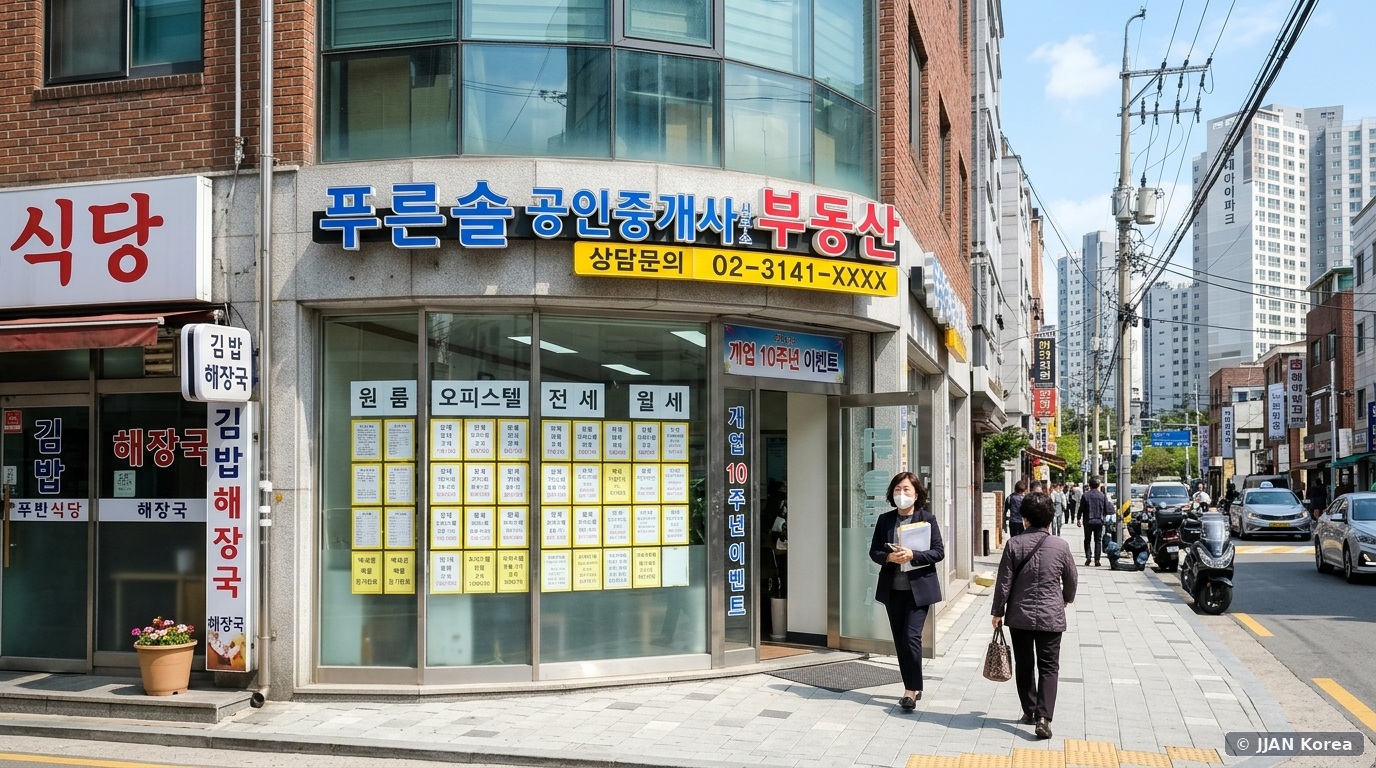

Renting an apartment, studio officetel, or shared flat in South Korea introduces foreign expatriates, international graduate students, and working professionals to one of the most structurally unique residential real estate ecosystems in the modern world. Unlike Western rental conventions requiring only one or two months of security deposit against rental default, South Korea’s leasing framework centers around astronomical lump-sum capital deposits known as Jeonse (전세) and deposit-heavy monthly lease arrangements known as Wolse (월세).
Because foreign tenants routinely transfer tens of millions—or hundreds of millions—of Korean Won directly into a private landlord’s personal bank account, understanding the protective legal architecture of the Housing Lease Protection Act (주택임대차보호법) is an existential necessity. Failing to audit the property’s legal title registry, omitting the registration of your statutory Fixed Date (확정일자), or leasing an over-leveraged “can property” (깡통전세) can result in the catastrophic total loss of your life savings. This comprehensive, legal-grade guide delivers field-verified procedures to protect your capital in 2026.
1. Jeonse vs. Wolse vs. Ban-Jeonse: The Core Mathematical Models
Before initiating your apartment hunt on real estate platforms like Zigbang, Dabang, or Naver Real Estate, familiarize yourself with Korea’s distinct leasing classifications:
| Lease Classification | Deposit Size (Key Money / 보증금) | Monthly Rental Charge | Foreigner Suitability & Risk Profile |
|---|---|---|---|
| Pure Jeonse (전세) | 50% to 80% of property market value (₩150,000,000 to ₩600,000,000+) | ₩0 (Zero monthly rent; pay only maintenance/utilities) | High capital risk; requires mandatory HUG deposit guarantee insurance; suitable only for long-term corporate expats |
| Standard Wolse (월세) | ₩5,000,000 to ₩20,000,000 | ₩500,000 to ₩1,300,000 / month | Highest recommendation for students, digital nomads, and young professionals; low upfront risk |
| Ban-Jeonse / Half-Jeonse (반전세) | ₩50,000,000 to ₩100,000,000 | ₩300,000 to ₩600,000 / month | Moderate risk compromise; leverages higher capital to lower monthly cash outflow |
| Short-Term / Gosiwon (단기원룸) | ₩0 to ₩1,000,000 | ₩400,000 to ₩850,000 / month | Zero capital risk; monthly rolling contracts; small footprint; ideal for initial arrival base |
2. Red Flag Due Diligence: Auditing the Real Estate Register (등기부등본)
Never transfer a single Won of earnest money or holding deposit until your certified Korean licensed real estate broker (공인중개사) pulls a real-time copy of the Deung-gi-bu Deung-bon (등기부등본 / Certified Real Estate Registry) directly from the Supreme Court Internet Registry office on the exact day of contract signing. Review these two vital sections:
Section Gap-gu (갑구) – Legal Ownership Audit
- Verify that the legal property owner’s name and Korean Resident Registration Number match the exact individual sitting across the table signing your lease agreement.
- Check for predatory encumbrances: If you see red-stamped entries such as Seizure (압류), Provisional Seizure (가압류), or Injunction (가처분), terminate negotiations immediately. The landlord is in severe financial distress.
Section Eul-gu (을구) – Mortgages & The 70% Safety Formula
Section Eul-gu records all mortgages, bank loans, and collateral liens registered against the building. You must strictly calculate the building’s debt-to-equity ratio using this Ironclad Safety Formula:
[Landlord’s Maximum Mortgage Collateral (근저당권)] + [Senior Tenant Deposits (선순위 보증금)] + [Your Proposed Deposit] < 70% of Building Real Market Value
If the sum of existing bank debt and collective tenant deposits exceeds 70% of the building’s realistic liquidation value, the property is classified as a hazardous “Can Lease (깡통주택)”. If the owner defaults on bank interest, the building will be forced into public judicial auction (경매), leaving junior foreign tenants with little or no deposit refund.
3. Securing Opposable Power (대항력) & The Golden Fixed Date (확정일자)
Under the Housing Lease Protection Act, your tenancy deposit is not legally protected by simply signing a contract. To establish senior legal priority over subsequent mortgage lenders, foreign tenants must execute two mandatory administrative procedures immediately upon receiving apartment keys:
4. Jeonse Guarantee Insurance (HUG / HF): Complete Expat Eligibility Rules
If you are leasing an apartment under a high-deposit Jeonse or Ban-Jeonse contract (deposits exceeding ₩30,000,000), purchasing government-backed Jeonse Deposit Return Guarantee Insurance (전세보증금반환보증) is non-negotiable. Administered primarily by HUG (Korea Housing & Urban Guarantee Corporation) and HF (Korea Housing Finance Corporation), this policy guarantees that if your landlord fails to refund your deposit upon lease expiration, the government corporation pays you back 100% of your capital directly.
Foreign Resident Enrollment Checklist
- Valid Residence Card (ARC): The foreign applicant must hold a valid, unexpired ARC and be legally registered at the leased address.
- Registered Fixed Date: The original lease contract must bear an official Fixed Date stamp from the local Community Service Center.
- Clean Title Registry: No provisional seizures, auctions, or tax liens registered on Section Gap-gu or Eul-gu.
- Insurance Premium: Costs approximately 0.115% to 0.154% of your total deposit amount per year. For a ₩100,000,000 deposit, the two-year policy premium totals approximately ₩230,000 to ₩300,000—a minor fee for absolute peace of mind. Learn how to manage payments and funds via our guide on how to open a Korean bank account as a foreigner.
5. Step-by-Step Apartment Hunting & Signing Walkthrough
Navigate the physical leasing sequence in Seoul following these disciplined phases:
6. Frequently Asked Questions (FAQ)
Can a landlord deduct cleaning fees or repainting costs from my deposit upon moving out?
Under Korean Civil Law, tenants are responsible only for intentional damage, negligence, or major unapproved structural alterations. Standard wear and tear (natural wallpaper discoloration, minor floor scuffs from furniture) cannot be deducted from your deposit. Always take date-stamped video recordings of every corner of the apartment on your first move-in day to refute false landlord claims.
What is the legal notice window if I plan to vacate at the end of my 2-year lease?
Under Article 6 of the Housing Lease Protection Act, you must formally notify your landlord between 6 months and 2 months prior to lease expiration that you intend to terminate and not renew. If neither party provides notice during this window, the lease undergoes an automatic Implied Renewal (묵시적 갱신) under the exact same terms for another two years.
What can I do if my landlord refuses to return my deposit claiming they have no money?
Never move your physical belongings or register a new residential address elsewhere if your deposit has not been wired to your bank account; leaving forfeits your Opposable Power. File for a formal Leasehold Registration Order (임차권등기명령) at the district court. This court order places an indelible public bankruptcy warning on the building’s title registry, preventing the landlord from renting the unit to any new tenant until your deposit plus statutory interest is paid in full.
Can foreign students claim monthly rent tax deductions in Korea?
Registered foreign workers paying Korean earned income tax can claim a 15% to 17% tax credit on annual Wolse rent payments during year-end tax settlement (연말정산), provided their name appears on the lease and payments were transferred via electronic bank transfer. Understand garbage disposal and utility rules by reviewing our guide to garbage disposal and recycling in Korea.
🛡️ JJAN Korea Editorial Standards & Fact-Checking Verification
This article was independently researched, field-tested, and audited by the JJAN Korea Finance & Real Estate Desk in Seoul. Cross-checked against the Korean Housing Lease Protection Act (주택임대차보호법) and audited in collaboration with certified Korean licensed realtors (공인중개사) in Mapo and Gangnam.
Notice an unlisted policy change, fare update, or revised administrative rule? Help us keep our international community accurately informed: Submit a Correction to our Seoul Newsroom.