Starting a Business in Korea: D-8 Foreign Investor Visa Requirements, 100 Million Won Capital Rule & OASIS Points
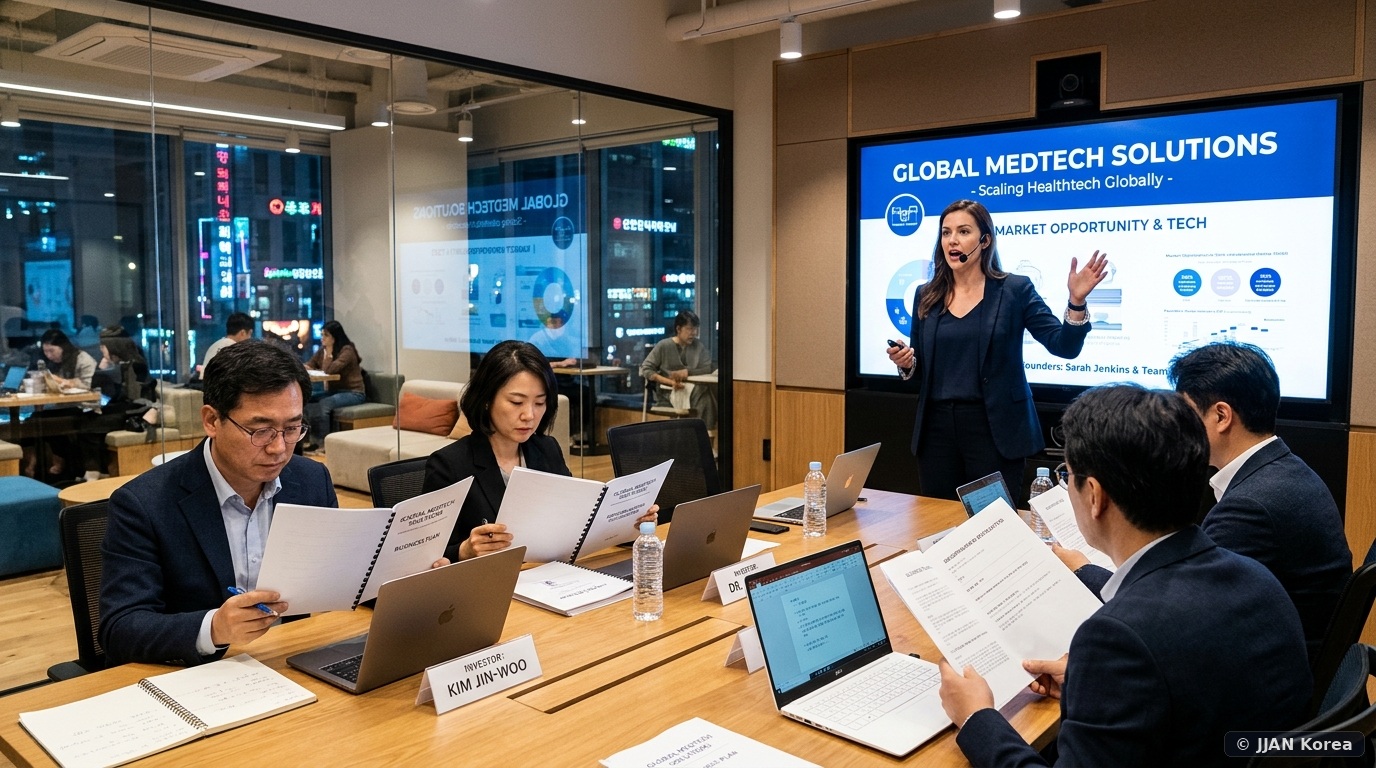
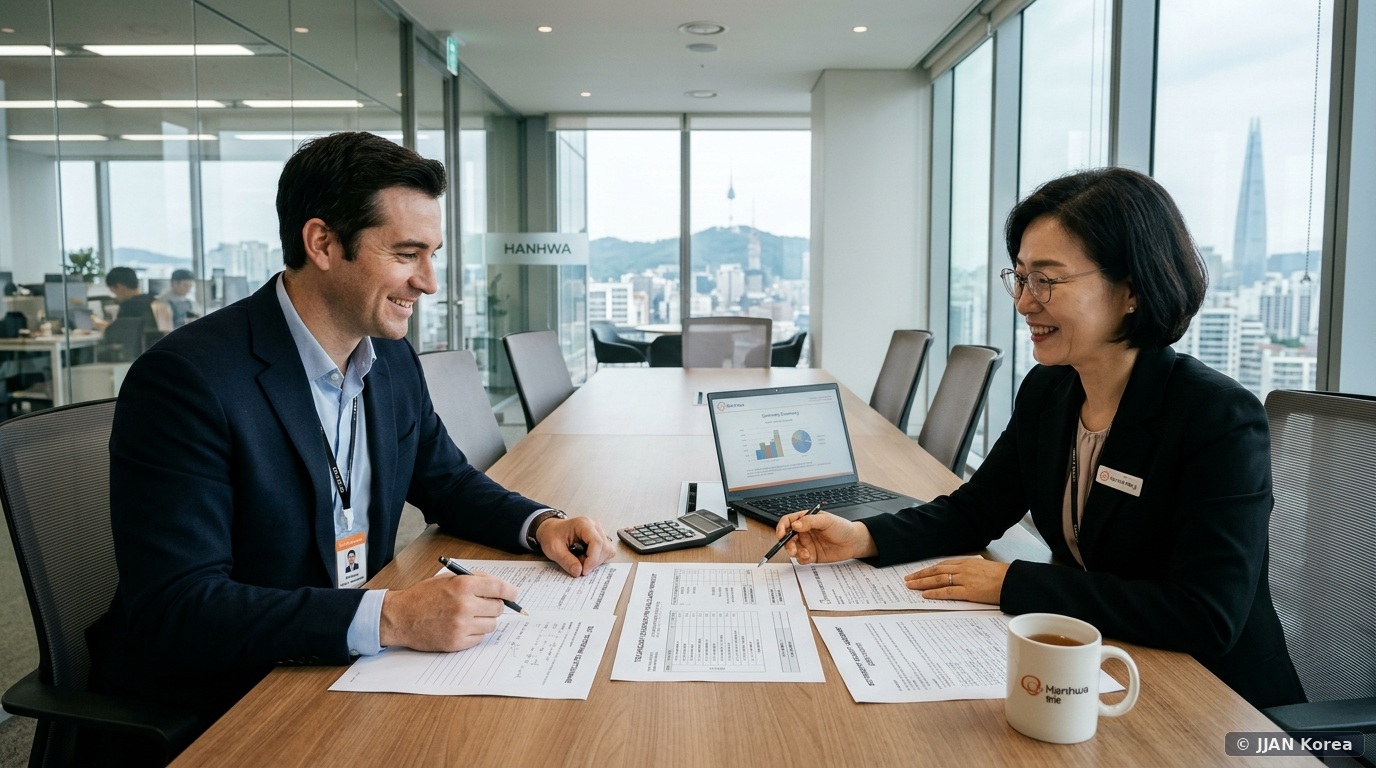
Starting a Business in Korea: D-8 Foreign Investor Visa Requirements, 100 Million Won Capital Rule & OASIS Points

South Korea represents one of the world’s most dynamic, digitally connected startup ecosystems. With government-backed venture funding, world-leading 5G and fiber telecommunications infrastructure, and a highly educated consumer base eager to adopt innovative technologies, the country offers fertile ground for foreign entrepreneurs. However, establishing a legal commercial entity as a foreign national requires navigating South … Read more
How to Claim Monthly Rent (월세) Tax Deductions in Korea: Hometax Cash Receipts, Lease Submissions & 15% Credits

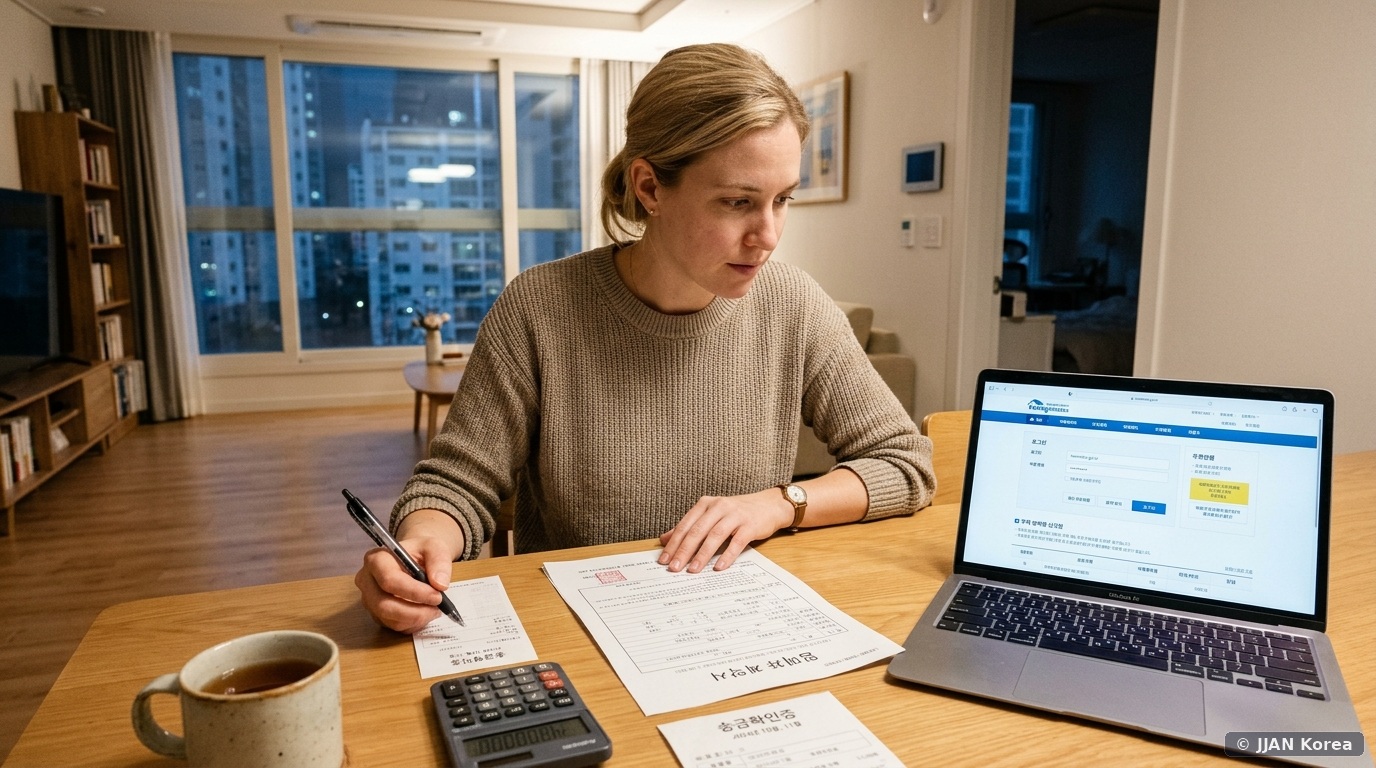
How to Claim Monthly Rent (월세) Tax Deductions in Korea: Hometax Cash Receipts, Lease Submissions & 15% Credits

For expatriates, foreign corporate employees, and English language instructors residing in South Korea, monthly housing rent—known locally as Wolse (월세)—represents the single largest recurring living expense. In high-demand metropolitan hubs like Gangnam, Mapo, and Yongsan, monthly rent for a standard studio apartment (officetel) or two-room villa easily ranges from 700,000 to 1,500,000 KRW, totaling over … Read more

Foreign Worker Labor Rights in Korea: Weekly Holiday Allowance (주휴수당), Overtime Pay & Filing MOEL Petitions

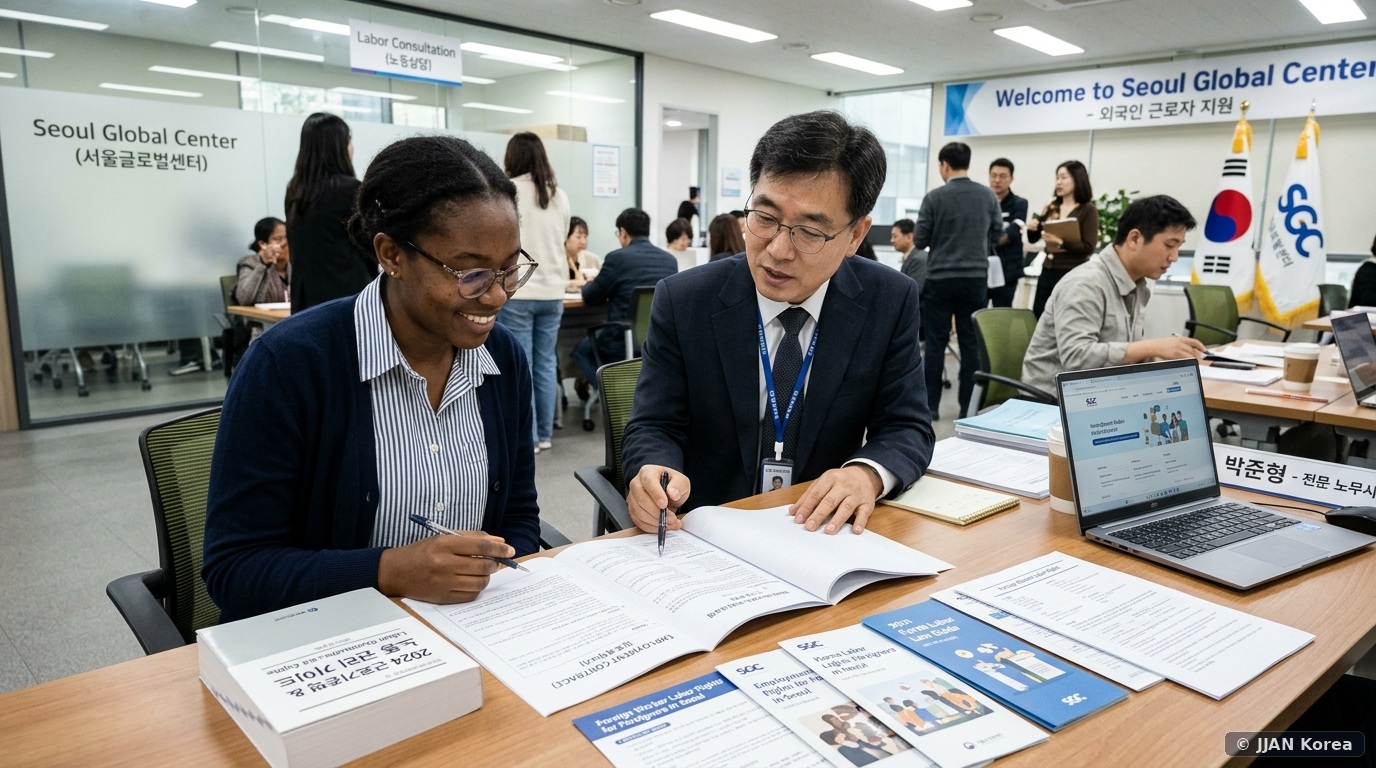
Foreign Worker Labor Rights in Korea: Weekly Holiday Allowance (주휴수당), Overtime Pay & Filing MOEL Petitions

South Korea’s Labor Standards Act (Geunro Gijunbeop – 근로기준법) is one of the most strictly enforced labor frameworks in Asia, granting comprehensive statutory protections to all employees working within the country’s borders. Crucially for foreign residents, expatriates, and international students working part-time, the Labor Standards Act applies equally to foreign nationals regardless of citizenship, nationality, … Read more

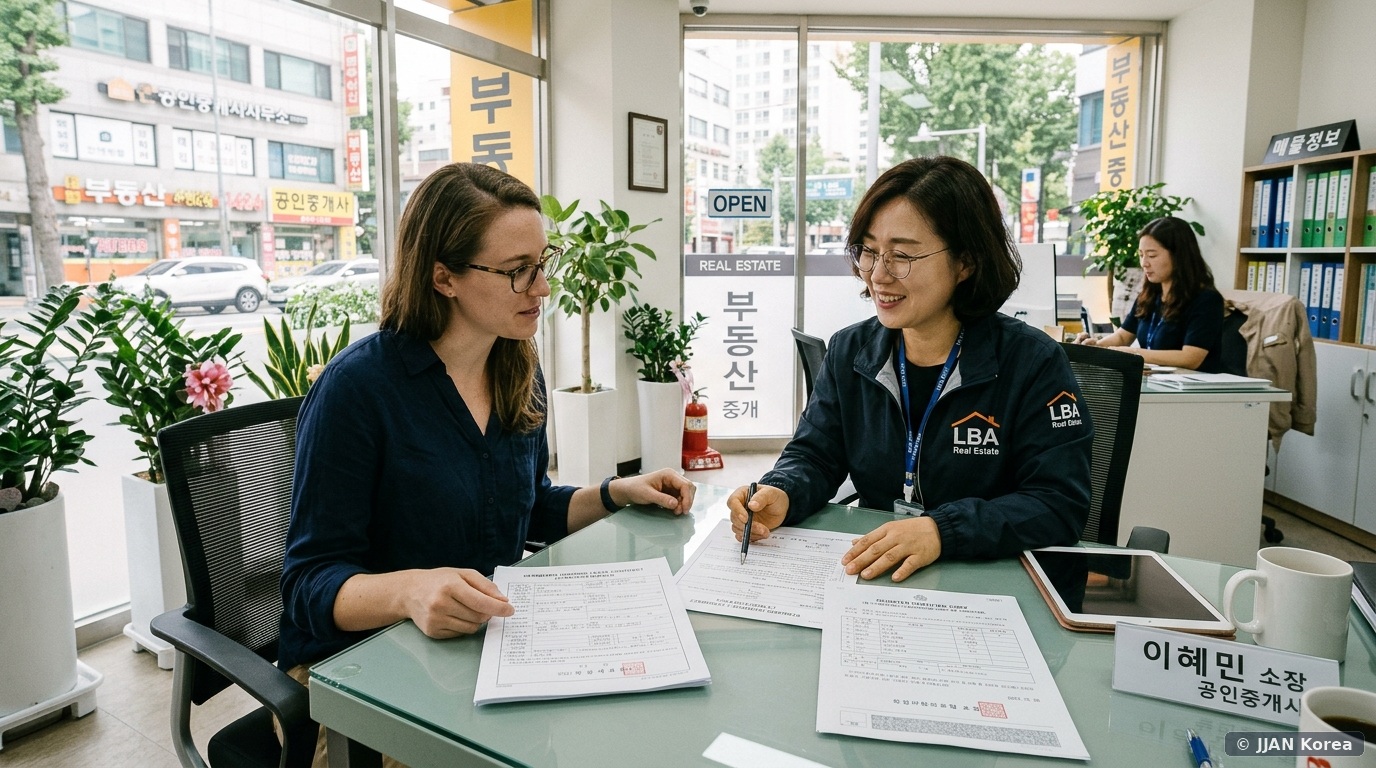
Signing an Apartment Rental Lease in Korea: Real Estate Broker (부동산) Fees & Verifying Title Registry (등기부등본)

Renting an apartment, high-rise officetel, or studio flat in South Korea introduces foreign expatriates to one of the most unique real estate environments in the world. Dominated by substantial cash deposits under the dual mechanisms of Wolse (월세 / Monthly Rent with High Deposit) and Jeonse (전세 / Lump-Sum Key Money Deposit), signing a lease … Read more

Mandatory Severance Pay (퇴직금 / Toejikgeum) in Korea: 1-Year Rule, Calculation Formula & Labor Board Claims

Whether concluding a teaching contract at an international school, transitioning between technology startups in Teheran Valley, or wrapping up a multi-year corporate tenure in Seoul, foreign professionals working in South Korea are entitled to one of the most generous and strictly enforced worker benefits in the modern industrial world: Statutory Severance Pay (퇴직금 / Toejikgeum). … Read more

Emergency Medical Consultation Hotline (1339): 24-Hour English Health Counseling & Foreigner Clinic Referrals

Falling ill or suffering an injury in an unfamiliar foreign country is a deeply distressing experience, magnified tenfold when complicated by language barriers, unfamiliar healthcare billing structures, and closed clinics. Whether you are dealing with a child’s sudden midnight fever exceeding 39°C, an acute allergic food reaction, or an agonizing dental abscess on a Sunday … Read more

Part-Time Work Permits (S-3) for International Students (D-2/D-4): Allowed Hours, Prohibited Jobs & Penalties

With world-class university education, affordable tuition fees, and rich cultural allure, South Korea hosts over 200,000 international students pursuing undergraduate degrees, masters programs, and language immersion courses under D-2 (Degree Student) and D-4 (General Trainee / Language Student) visas. To offset high living expenses in Seoul or gain valuable professional experience, many international students seek … Read more

Foreigner’s Guide to Year-End Tax Settlement (연말정산) in Korea: Flat 19% Tax Rate vs. Standard Deductions

Every year between mid-January and late February, foreign professionals, salaried corporate employees, university lecturers, and international school teachers across South Korea participate in the nation’s most critical financial ritual: Yeonmal Jeongsan (연말정산 / Year-End Tax Settlement). Overseen by the National Tax Service (NTS / 국세청), this statutory reconciliation process compares the provisional income tax deducted … Read more

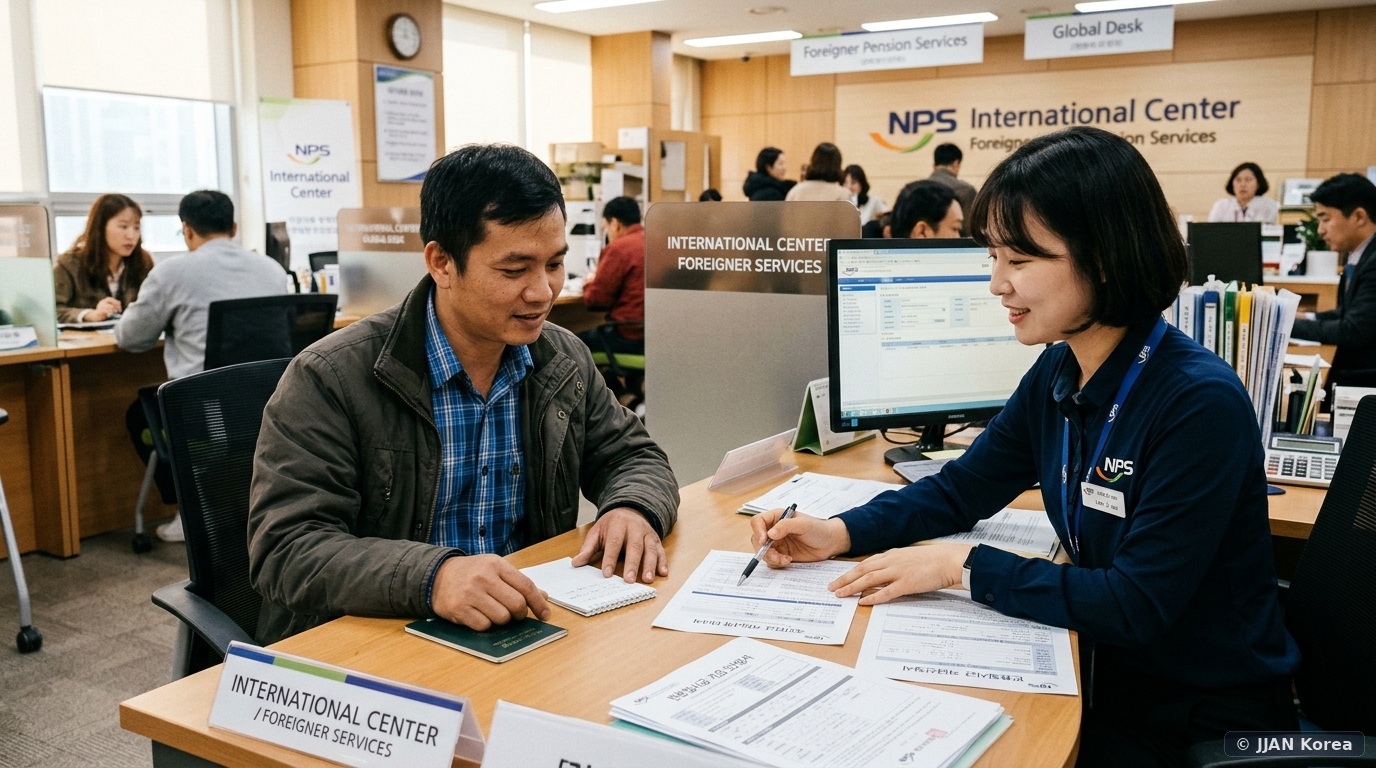
National Pension (국민연금) for Foreign Workers in Korea: Lump-Sum Refund Eligibility & Bilateral Treaties

For foreign nationals employed in South Korea under work visas (such as E-7 professional, E-9 non-professional, or F-series residency), reviewing your monthly corporate pay stub often triggers surprise: a substantial deduction labeled National Pension (국민연금 / Gukmin Yeongeum) claims an mandatory 4.5% of your gross monthly salary, matched by an equal 4.5% contribution from your … Read more

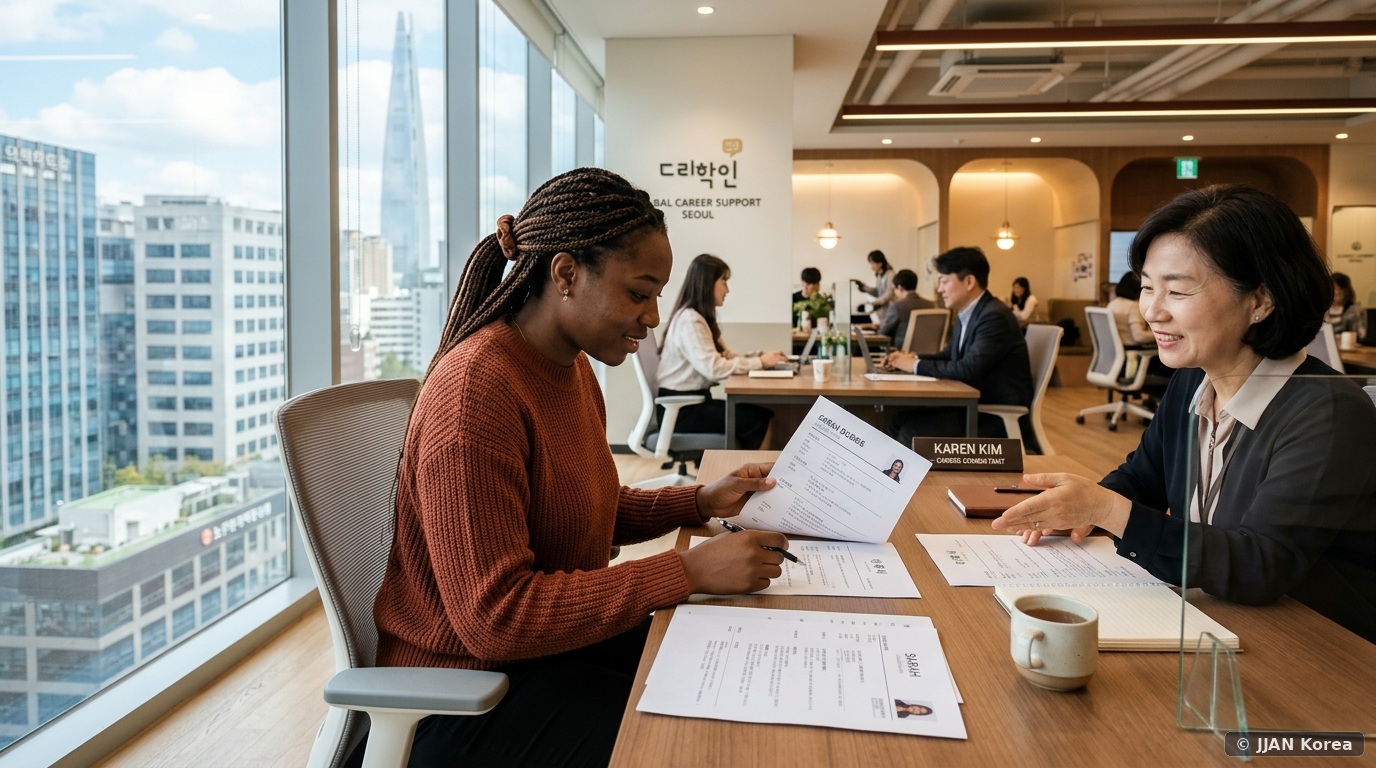
D-10 Job Seeker Visa in Korea: 2026 Point System, Extension Rules & Transitioning from D-2 or E-7

For international degree graduates completing university in South Korea, foreign tech talents, and skilled international professionals concluding an employment contract, the transition period between student life and corporate employment is fraught with administrative vulnerability. In the Republic of Korea, the moment your D-2 study visa or E-7 professional work visa expires, you must either depart … Read more