
Mandatory Severance Pay (퇴직금 / Toejikgeum) in Korea: 1-Year Rule, Calculation Formula & Labor Board Claims

Whether concluding a teaching contract at an international school, transitioning between technology startups in Teheran Valley, or wrapping up a multi-year corporate tenure in Seoul, foreign professionals working in South Korea are entitled to one of the most generous and strictly enforced worker benefits in the modern industrial world: Statutory Severance Pay (퇴직금 / Toejikgeum). … Read more


Emergency Medical Consultation Hotline (1339): 24-Hour English Health Counseling & Foreigner Clinic Referrals

Falling ill or suffering an injury in an unfamiliar foreign country is a deeply distressing experience, magnified tenfold when complicated by language barriers, unfamiliar healthcare billing structures, and closed clinics. Whether you are dealing with a child’s sudden midnight fever exceeding 39°C, an acute allergic food reaction, or an agonizing dental abscess on a Sunday … Read more

Part-Time Work Permits (S-3) for International Students (D-2/D-4): Allowed Hours, Prohibited Jobs & Penalties

With world-class university education, affordable tuition fees, and rich cultural allure, South Korea hosts over 200,000 international students pursuing undergraduate degrees, masters programs, and language immersion courses under D-2 (Degree Student) and D-4 (General Trainee / Language Student) visas. To offset high living expenses in Seoul or gain valuable professional experience, many international students seek … Read more

Foreigner’s Guide to Year-End Tax Settlement (연말정산) in Korea: Flat 19% Tax Rate vs. Standard Deductions

Every year between mid-January and late February, foreign professionals, salaried corporate employees, university lecturers, and international school teachers across South Korea participate in the nation’s most critical financial ritual: Yeonmal Jeongsan (연말정산 / Year-End Tax Settlement). Overseen by the National Tax Service (NTS / 국세청), this statutory reconciliation process compares the provisional income tax deducted … Read more

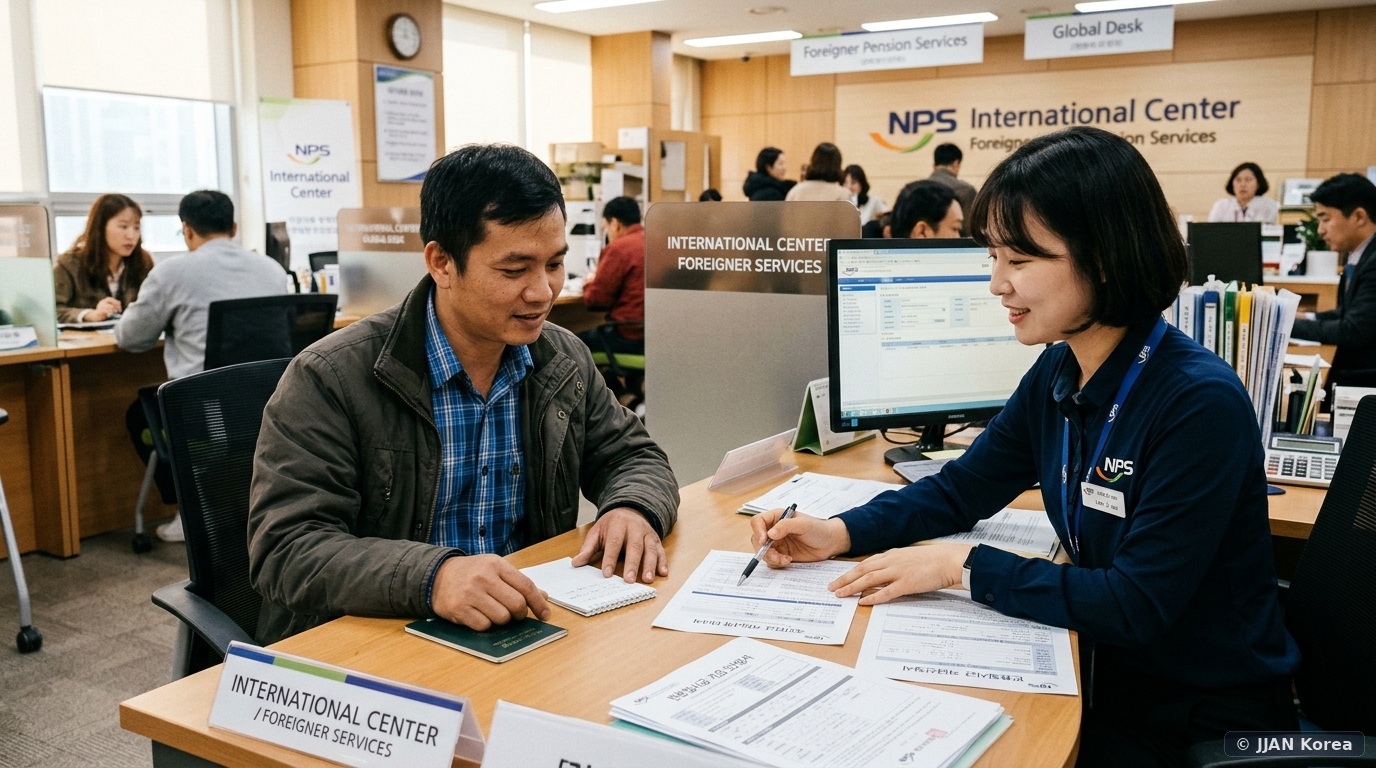
National Pension (국민연금) for Foreign Workers in Korea: Lump-Sum Refund Eligibility & Bilateral Treaties

For foreign nationals employed in South Korea under work visas (such as E-7 professional, E-9 non-professional, or F-series residency), reviewing your monthly corporate pay stub often triggers surprise: a substantial deduction labeled National Pension (국민연금 / Gukmin Yeongeum) claims an mandatory 4.5% of your gross monthly salary, matched by an equal 4.5% contribution from your … Read more

D-10 Job Seeker Visa in Korea: 2026 Point System, Extension Rules & Transitioning from D-2 or E-7

For international degree graduates completing university in South Korea, foreign tech talents, and skilled international professionals concluding an employment contract, the transition period between student life and corporate employment is fraught with administrative vulnerability. In the Republic of Korea, the moment your D-2 study visa or E-7 professional work visa expires, you must either depart … Read more

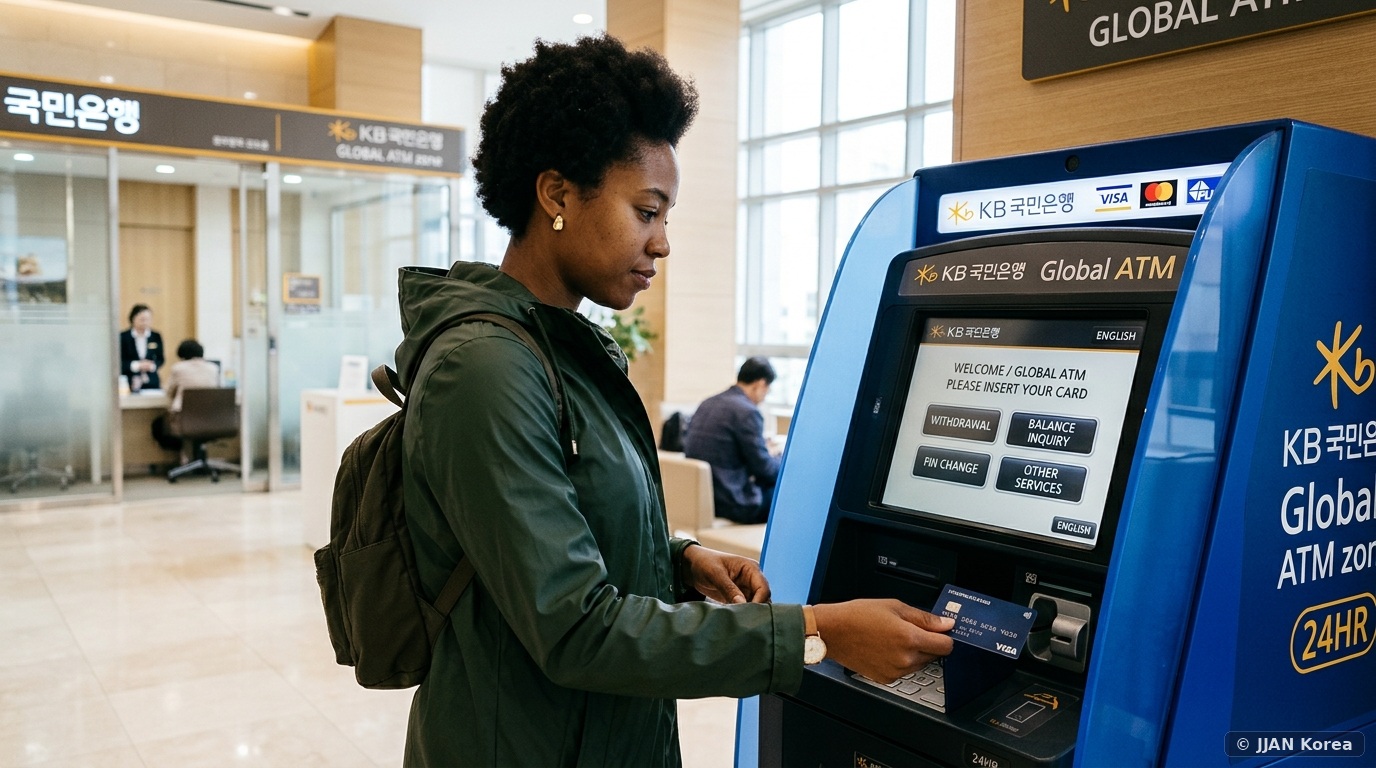
ATM Cash Withdrawals in Korea with Foreign Cards: Global ATM Logos, DCC Traps & Fee Comparisons

While South Korea is celebrated as one of the most technologically advanced, virtually cashless societies in the world—where locals purchase everything from convenience store chewing gum to luxury designer handbags with a flick of their smartphone—international travelers quickly discover that cash remains an unavoidable operational necessity. From purchasing and recharging physical public transit cards (T-Money … Read more

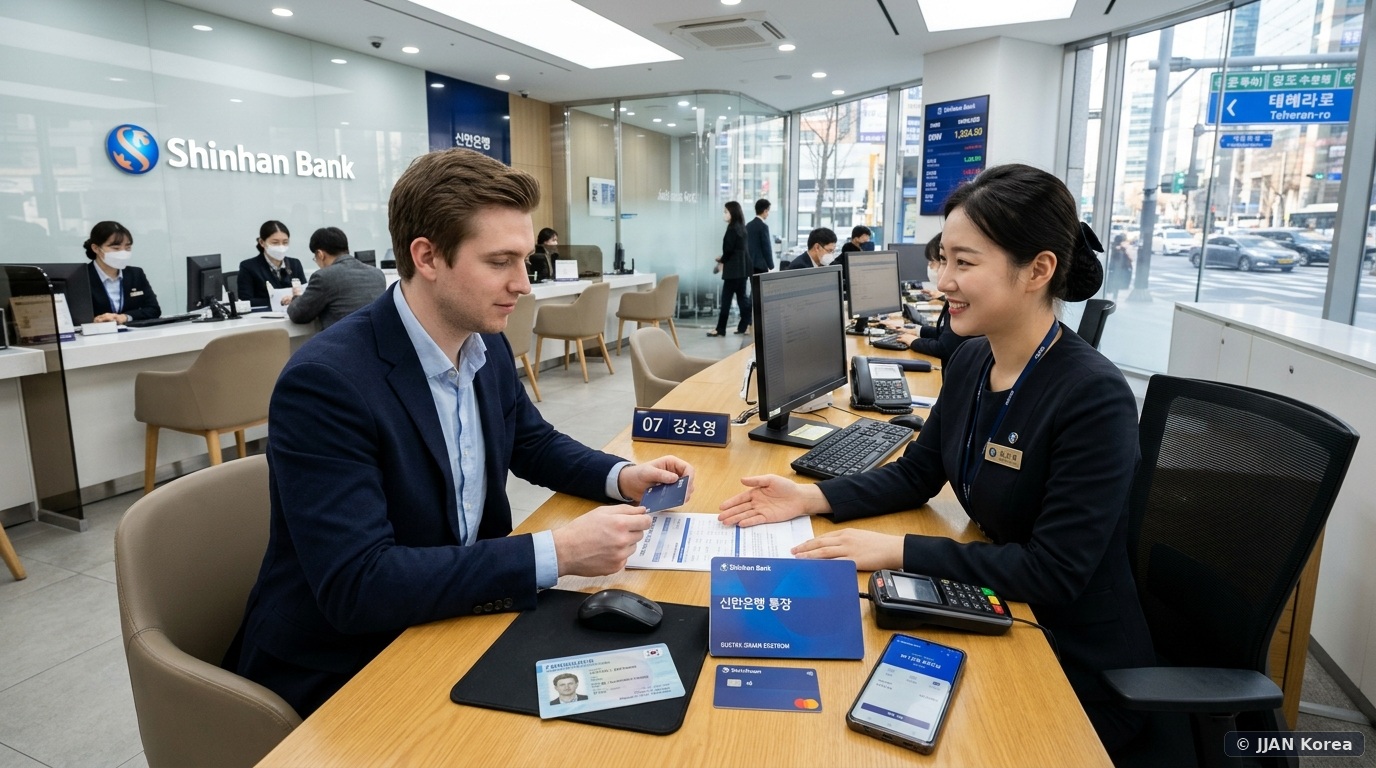
Opening a Korean Bank Account as a Foreigner: Requirements, Daily Transfer Limits & Setting up KakaoPay

Opening a Korean Bank Account as a Foreigner: Requirements, Daily Transfer Limits & Setting up KakaoPay

Establishing a tier-1 domestic bank account in South Korea is the ultimate logistical gateway to everyday independence. From receiving employment payroll and paying monthly apartment rent via automated clearing networks to unlocking seamless mobile payments through KakaoPay, Toss, and Naver Pay, living in Korea without a local debit card is an exercise in daily friction. … Read more

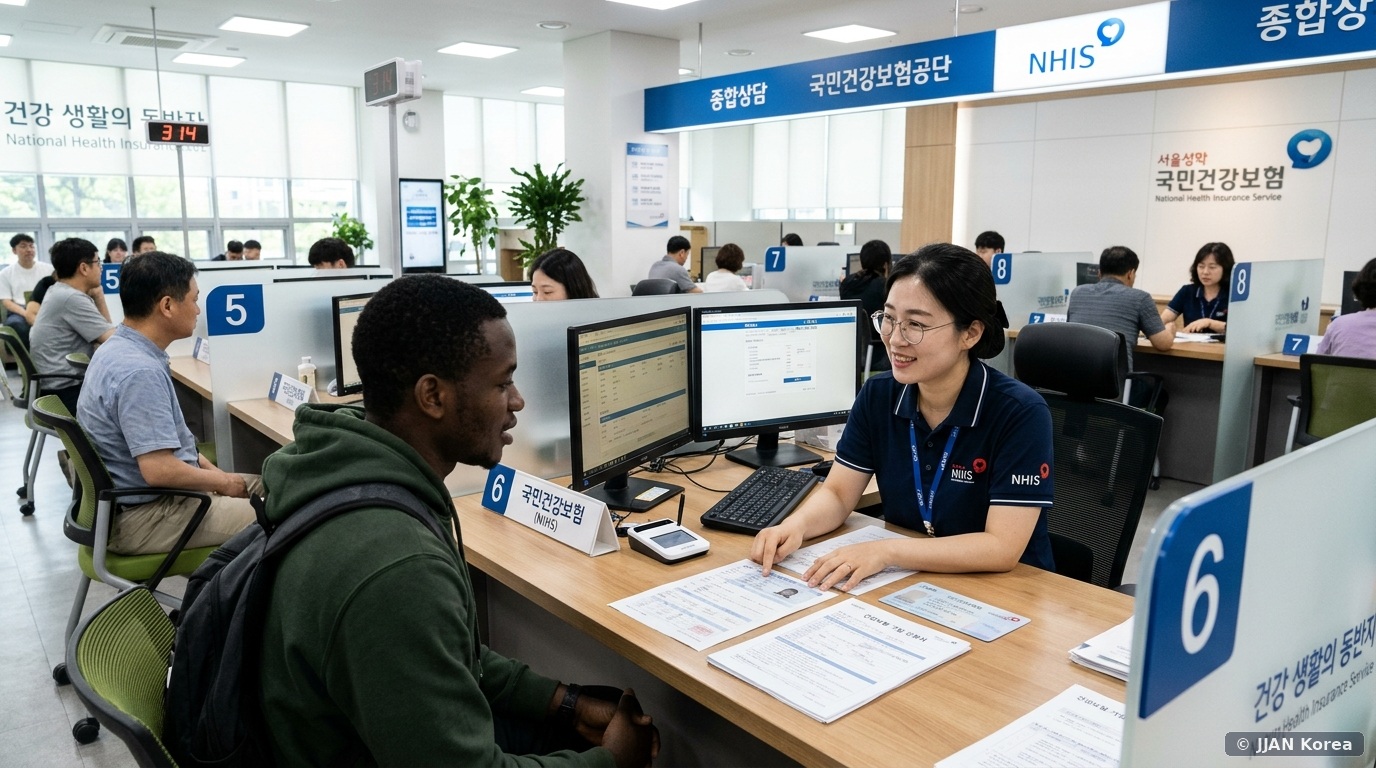
National Health Insurance (NHIS) in Korea: Mandatory Enrollment Rules, Monthly Costs & Benefits for Expats

National Health Insurance (NHIS) in Korea: Mandatory Enrollment Rules, Monthly Costs & Benefits for Expats

South Korea’s public healthcare architecture is celebrated globally for delivering ultra-modern medical technology, rapid specialist consultations, and extraordinarily low out-of-pocket costs. At the bedrock of this universal system sits the National Health Insurance Service (NHIS / 국민건강보험공단), a centralized, single-payer social insurance network that covers more than 97% of the nation’s domestic population. For foreign … Read more

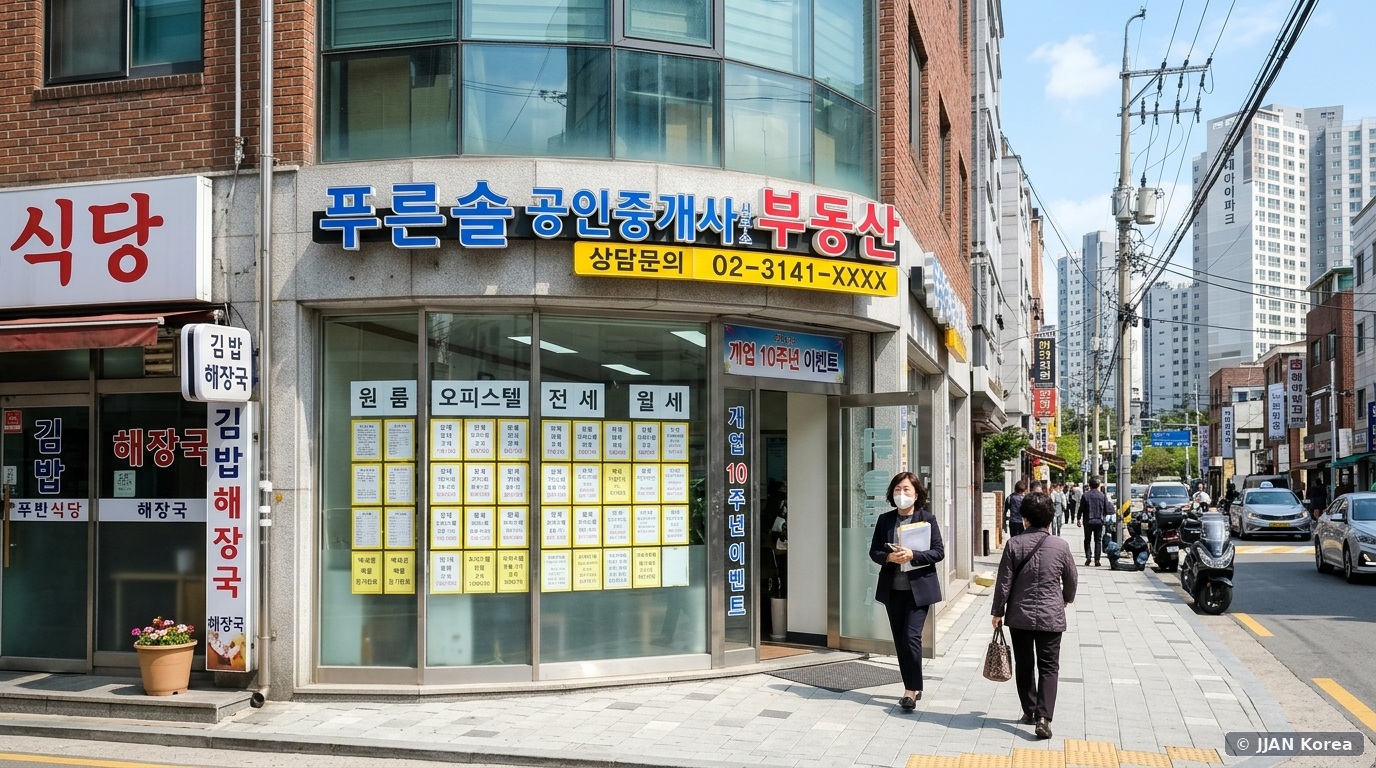
Korea Housing Guide for Foreigners: Jeonse vs. Wolse Explained, Protecting Your Deposit with Fixed Date (확정일자)

Korea Housing Guide for Foreigners: Jeonse vs. Wolse Explained, Protecting Your Deposit with Fixed Date (확정일자)

Renting an apartment, studio officetel, or shared flat in South Korea introduces foreign expatriates, international graduate students, and working professionals to one of the most structurally unique residential real estate ecosystems in the modern world. Unlike Western rental conventions requiring only one or two months of security deposit against rental default, South Korea’s leasing framework … Read more